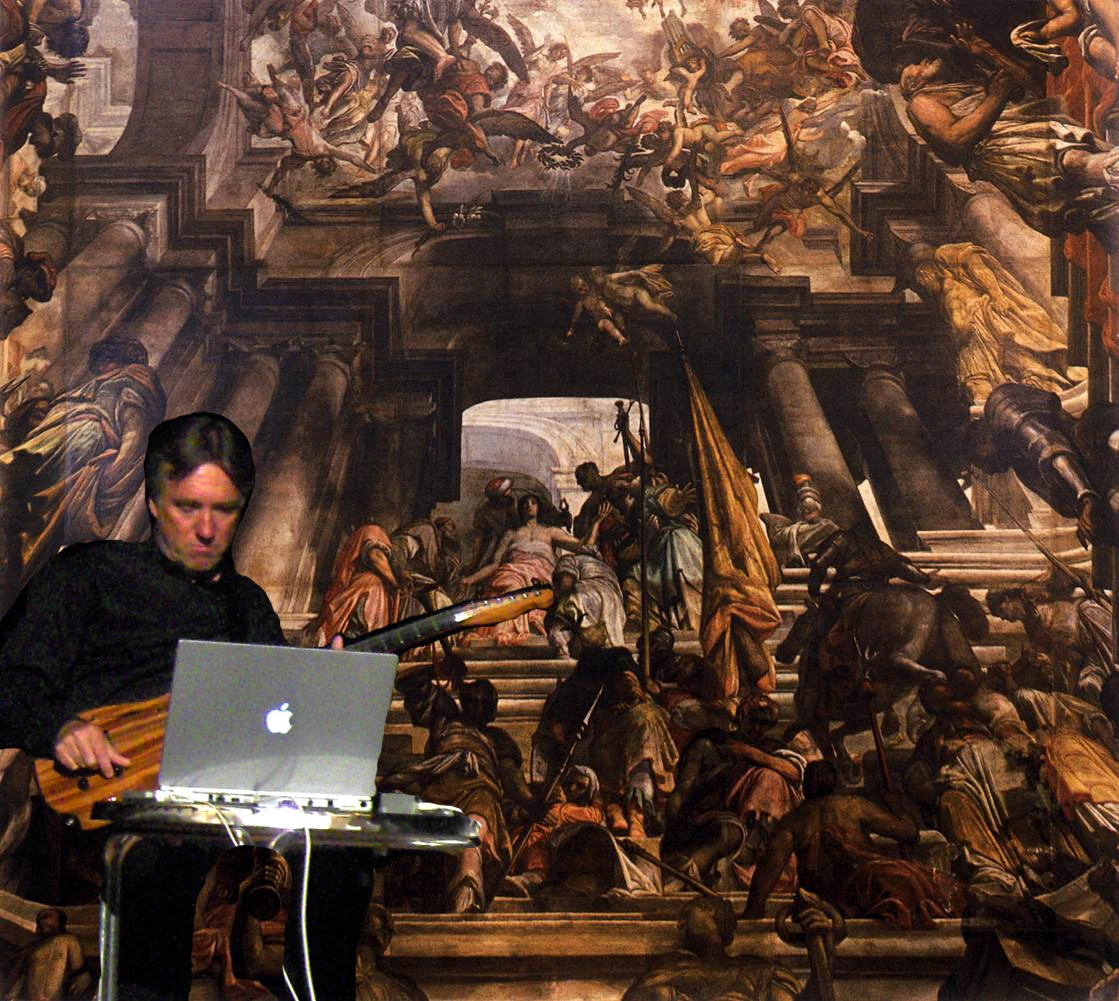

Fredrik Soegaard

Fredrik Søegaard

Interests: guitarist, improvisor, composer, teacher


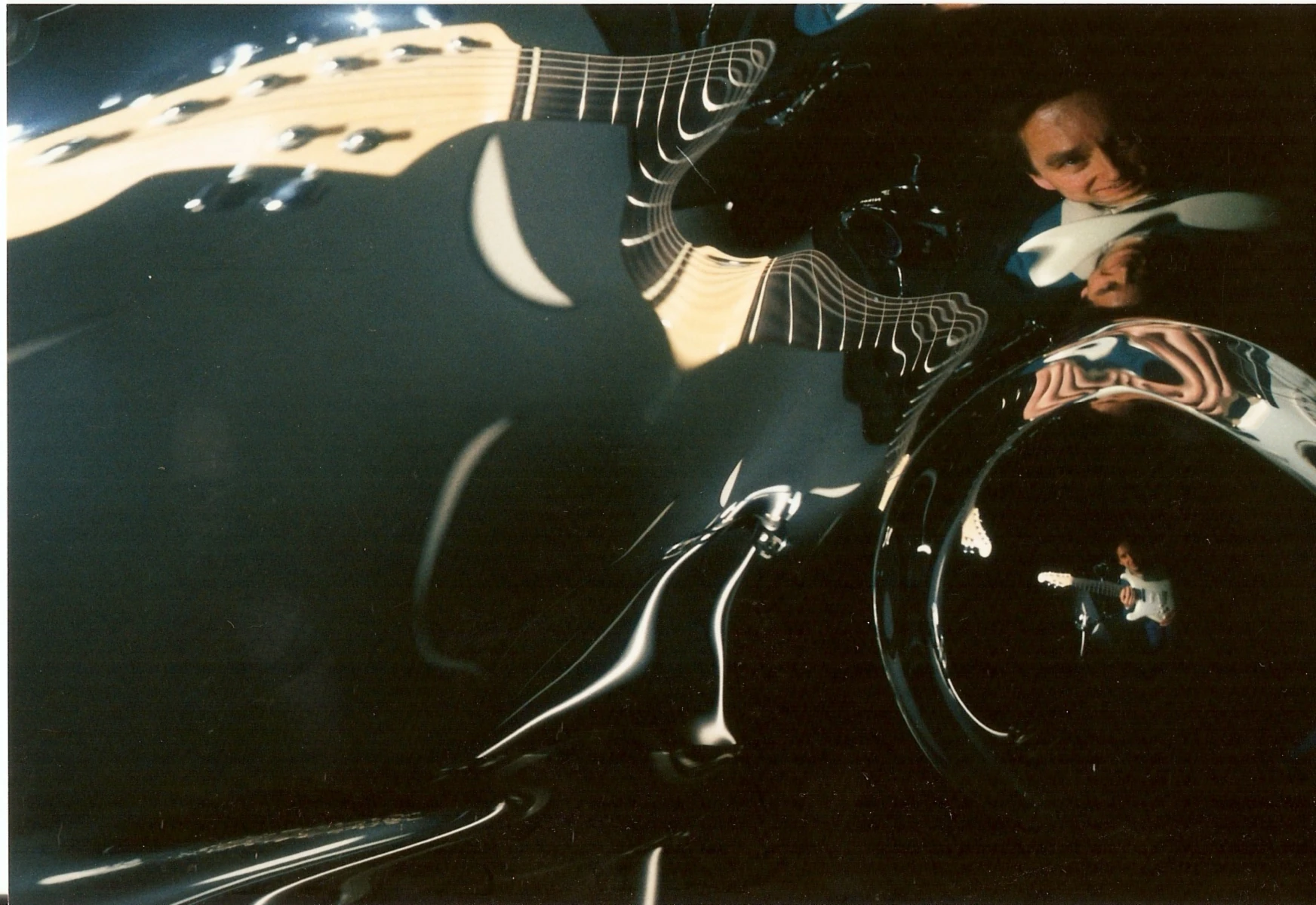
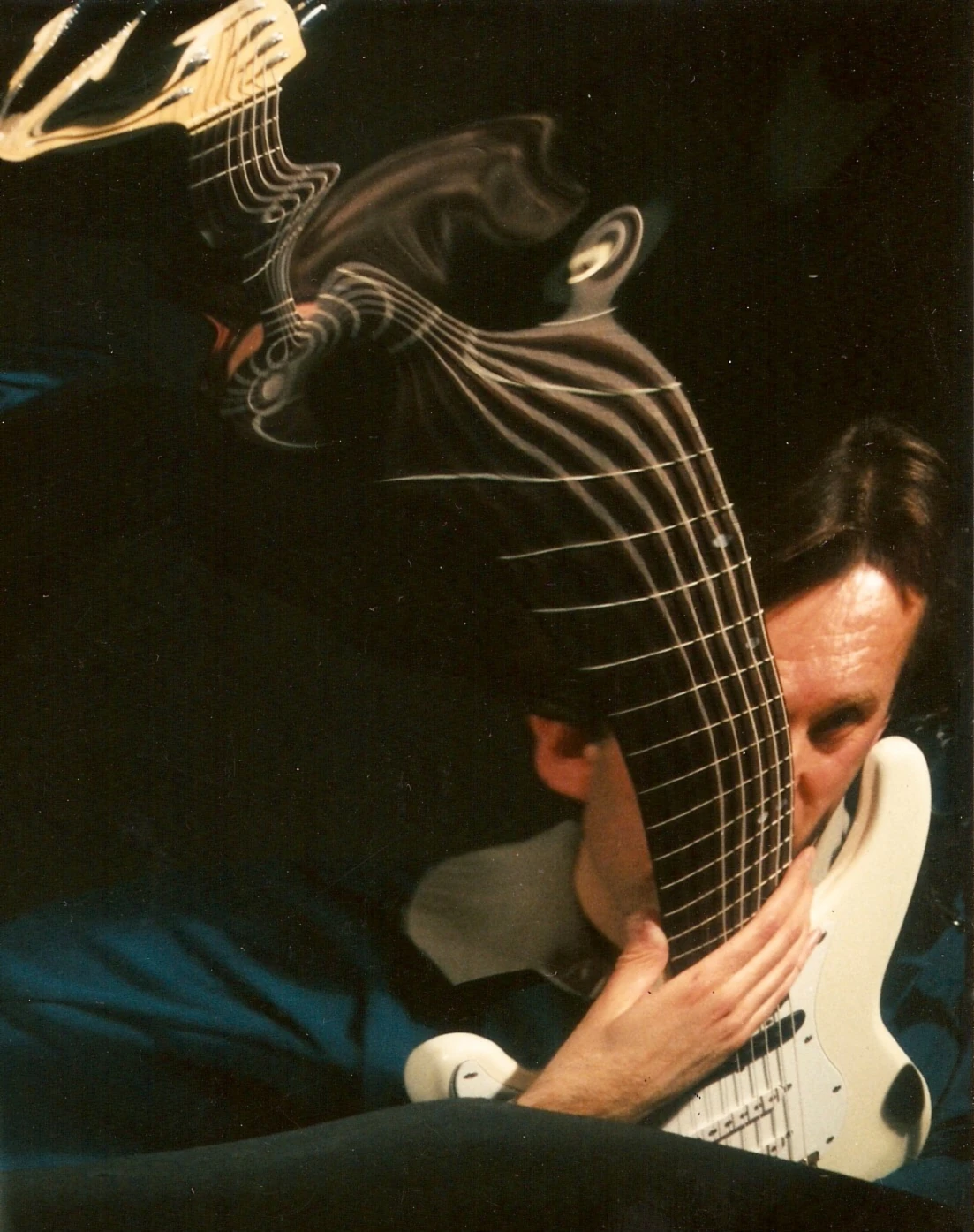
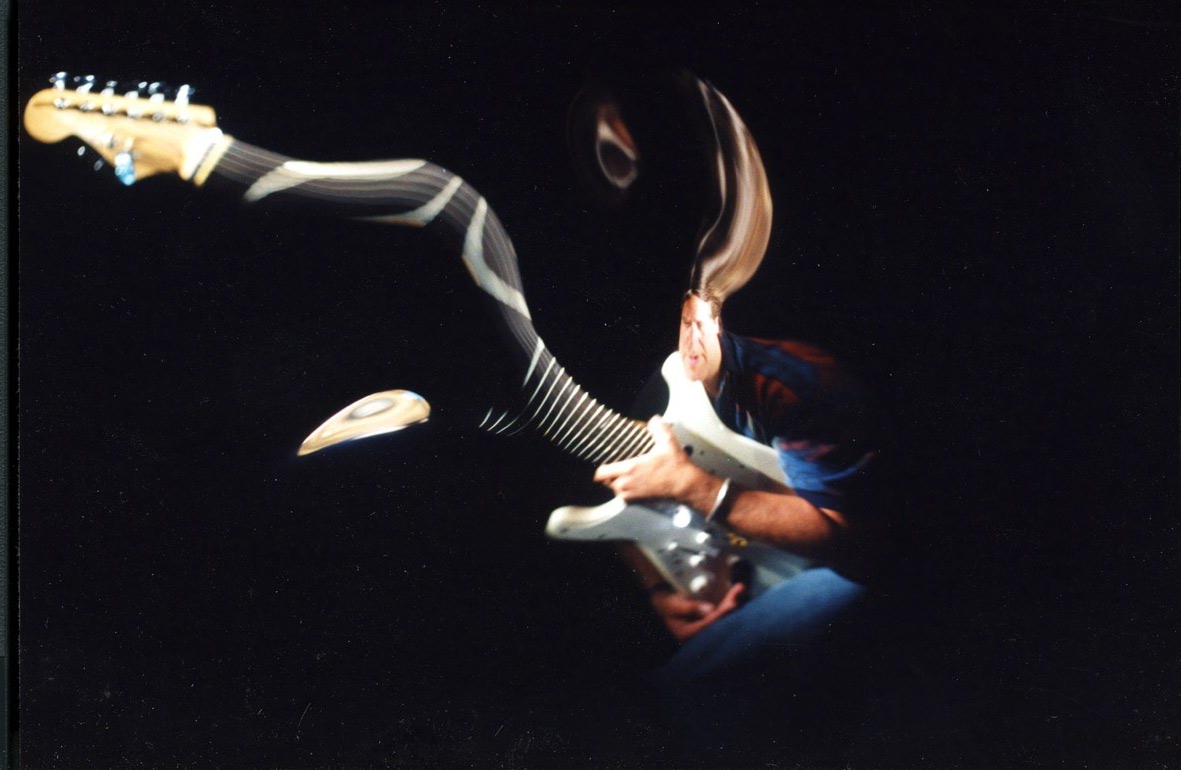
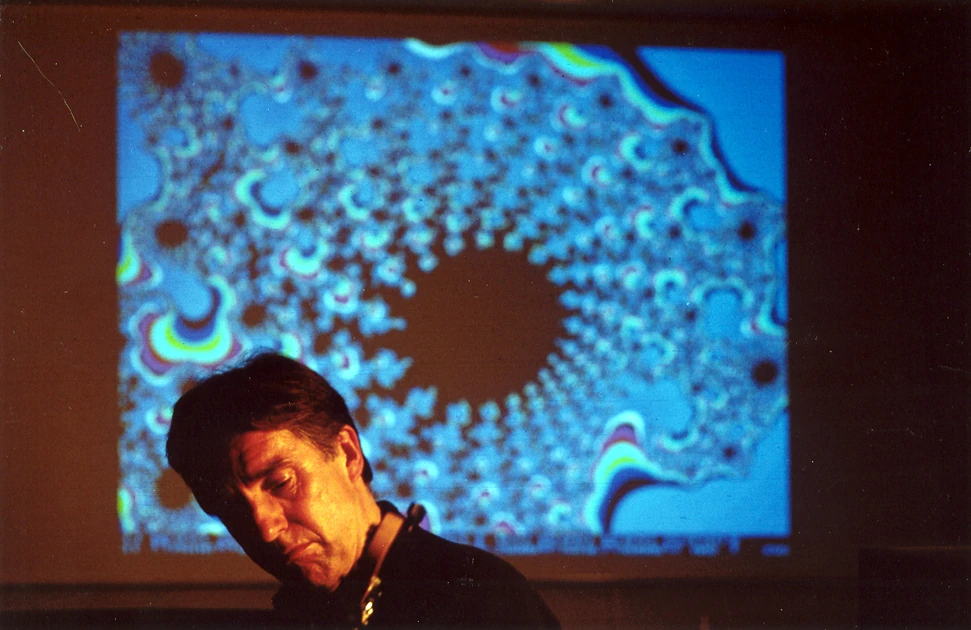
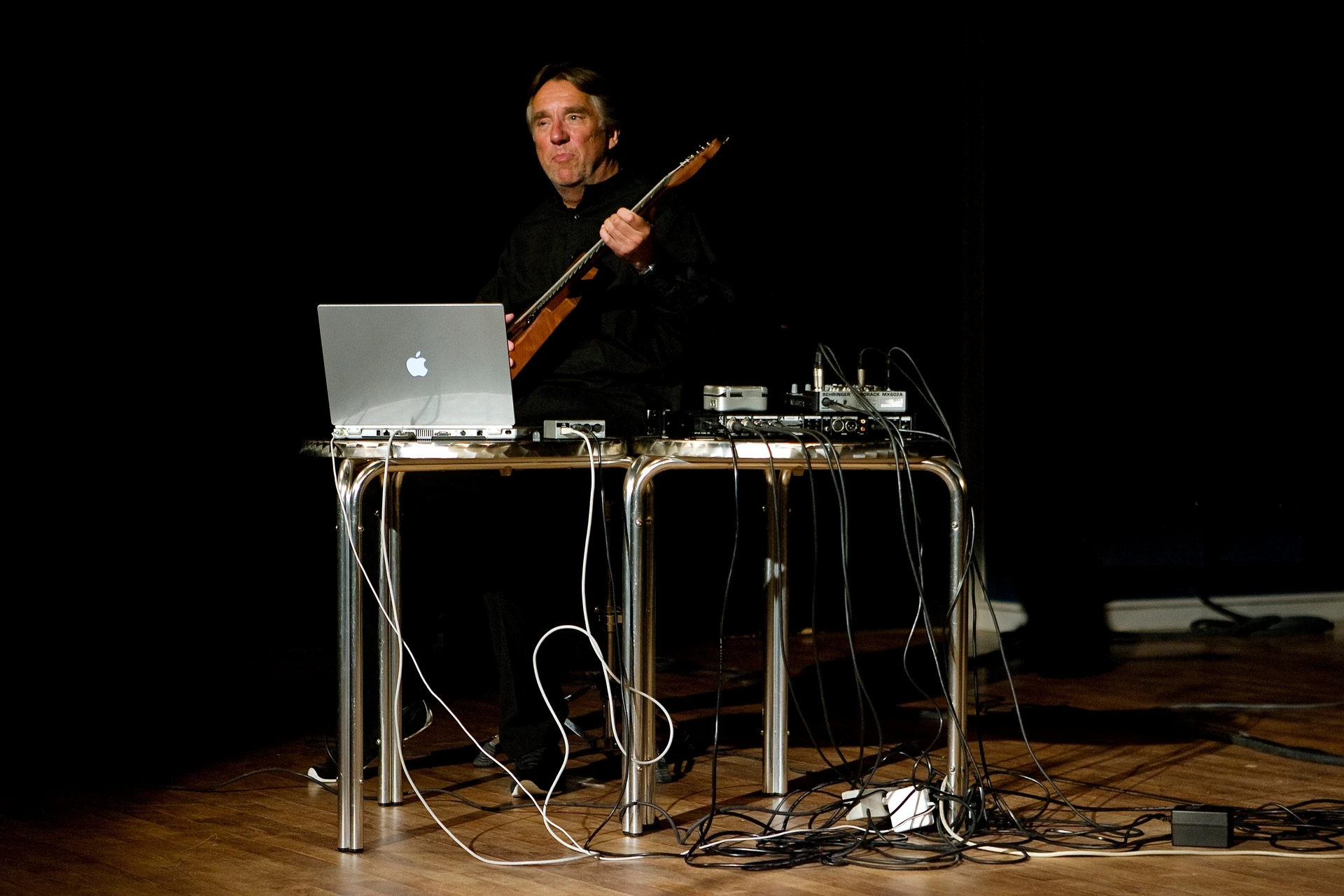
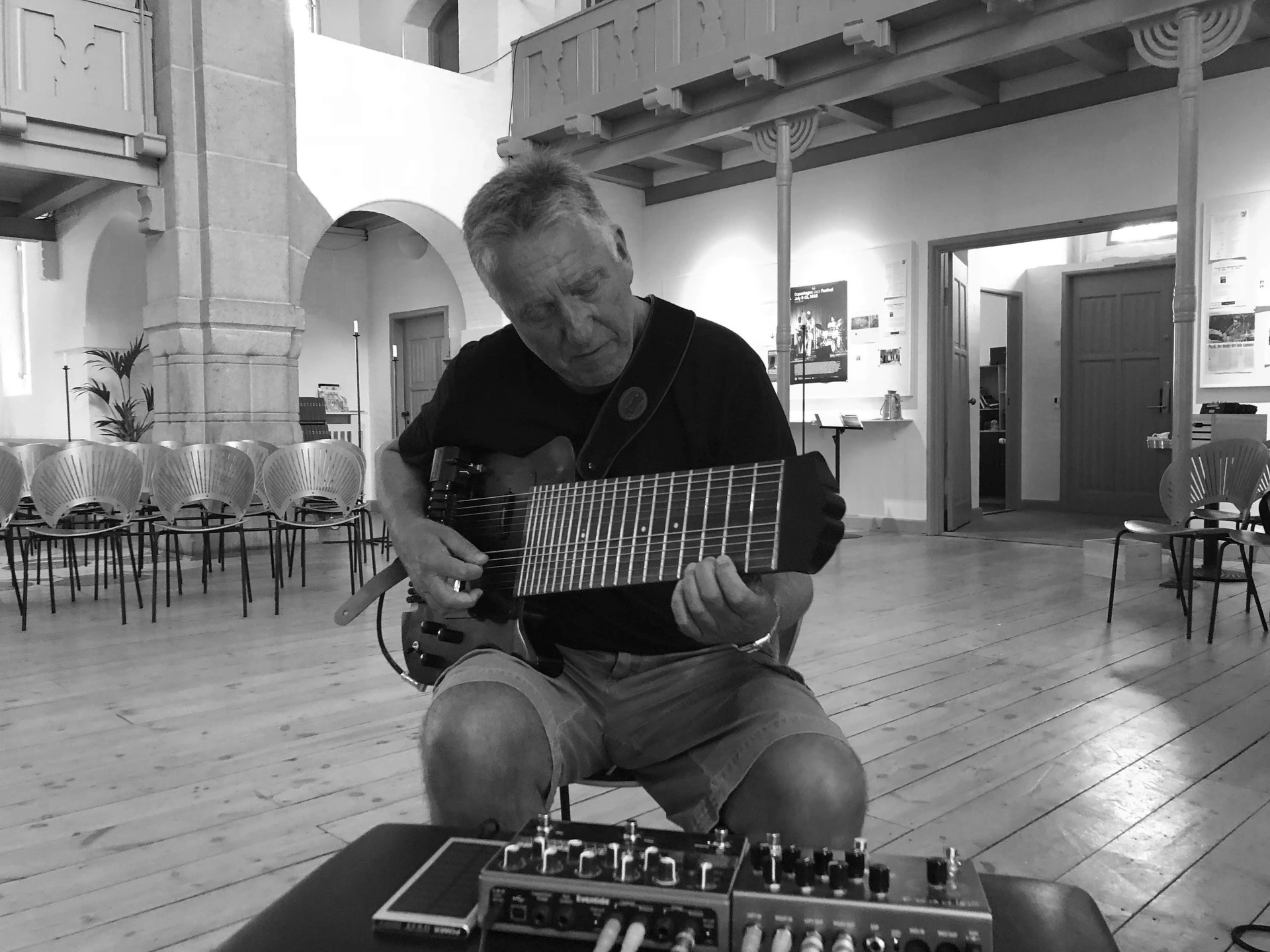
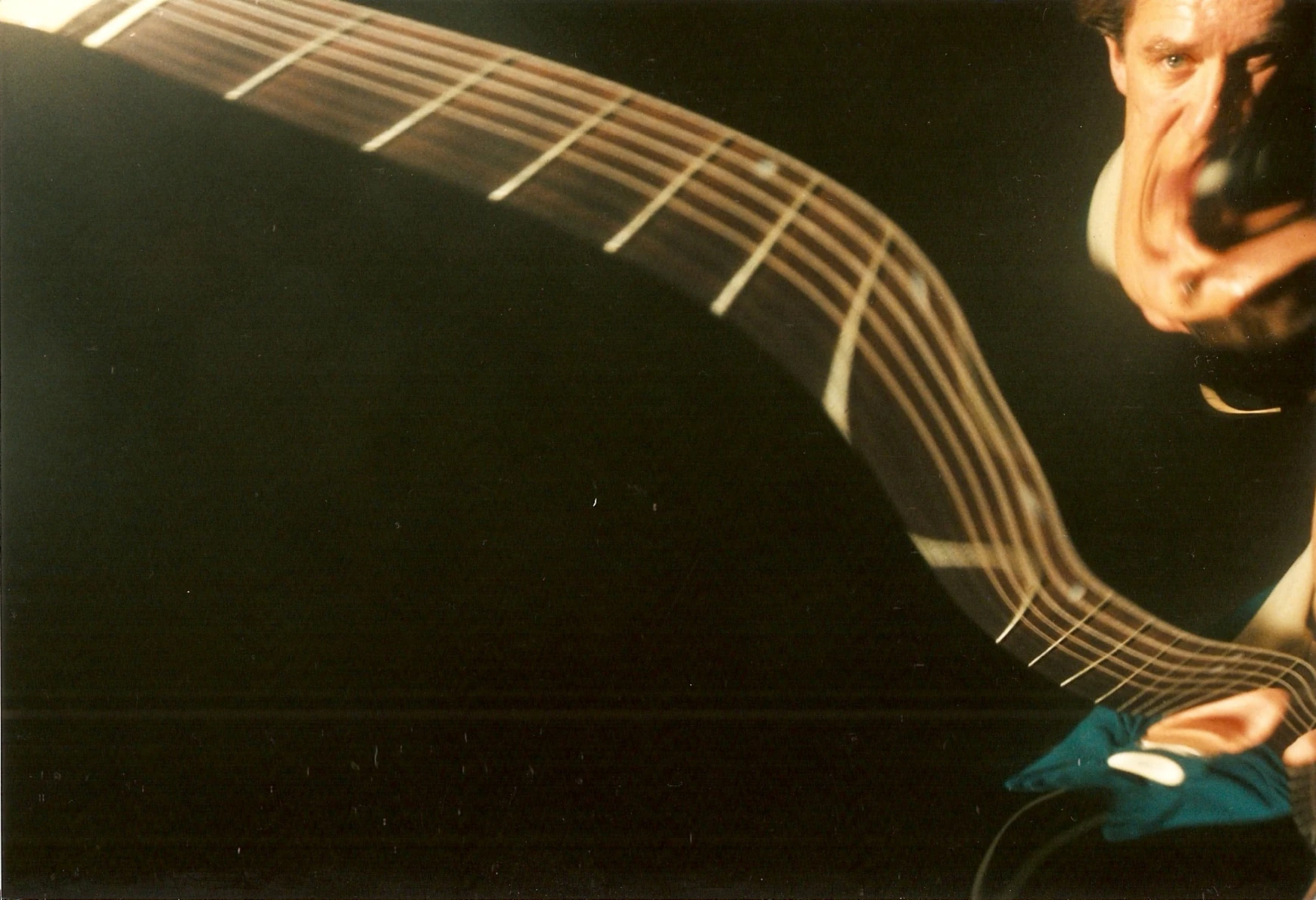
Danish guitarist Fredrik Søegaard was born on 1951: improvisor, composer, teacher, working with improvisations in complex structures like Mandelbrot fractal algorithms or DNA coding sequences, his trademark is unquestionably the use of ground breaking scientific structures.

He has developed his sonic researches through his own groups, occasional collaborations with various musicians/ensembles of mixed genres.

Between his main works we got ‘solo guitar improvisation’ from 1989, free solo-investigations, ‘ballads’ – ensemble free impro, recorded in Rainbow Studios, Oslo, produced by the ECM genius Jan Erik Kongshaug, ’chronox’ – different time/space structures transformed in music, ‘multiverse’ – multi-structured experiment like a rare live concert version elsewhere on this page, ‘soundmapping the genes’ – using DNA code sequence in music, is an exciting project in the field between biology and music.The complete genetic code of the H1 histamin protein from the rainbow trout is transcribed into a 642 note melody; the remaining data is the basis for the MIDI, allowing for the control of various parameters in the performed music (pitch, LFO speed, pan speed, dynamics, etc)... ‘and we also caught a fish...’ – guitar duo impro, ‘off the map’ – studio collaboration or ‘canons’ – experimental use of delay-technology in Bach’s canons
His main working groups are the Soegaard Ensemble, Virtual Bass Trio and Tranzart Concerts.

He has collaborated, among others, with musicians like Hasse Poulsen, Lars Juul, Steve Parry-Hwyl Nofio, Steffen Leve Poulsen, Håkon Berre, Stephan Sieben, Christian Tågehøj, Maimon, Martin Roy Wade, Sound of Choice , Very Big Band, Arion String Quartet, Westjutland Chamber Ensemble, etc...
Gallery

Gallery

In this gallery you can see us and our work. We hope you enjoy.

Soundmapping

SOUNDMAPPING THE GENES

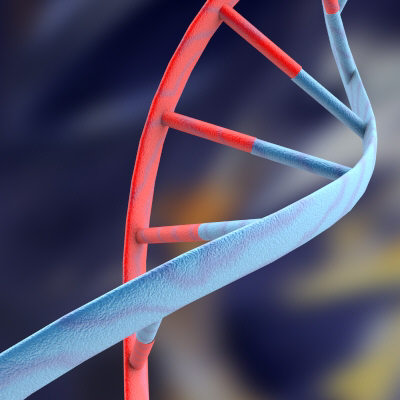
SOUNDMAPPING THE GENES is an exciting project in the field between biology and music.The complete genetic code of the H1 histamin protein from the rainbow trout is transcribed into a 642 note melody; the remaining data is the basis for the MIDI, allowing for the control of various parameters in the performed music (pitch, LFO speed, pan speed, dynamics, etc).

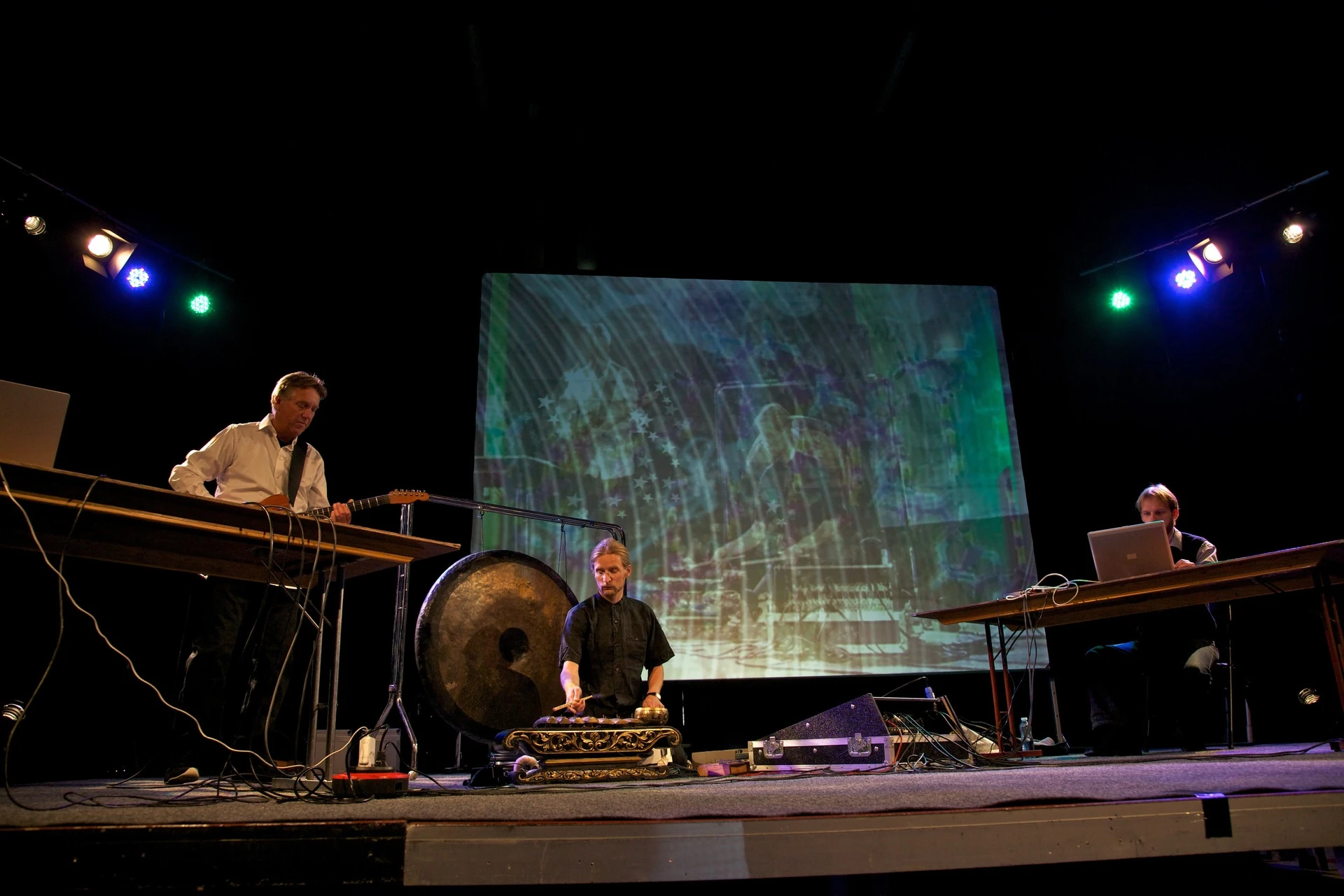
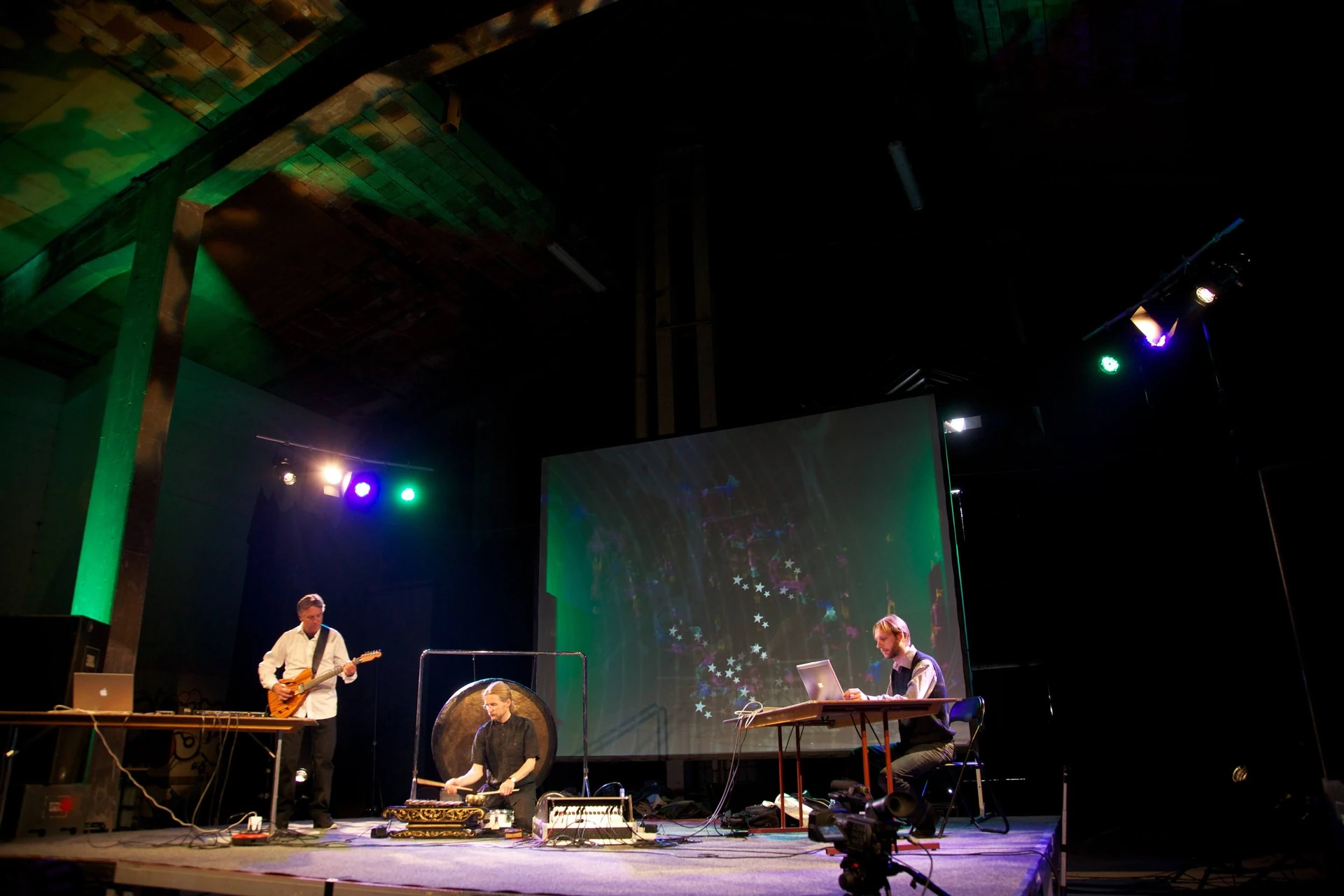
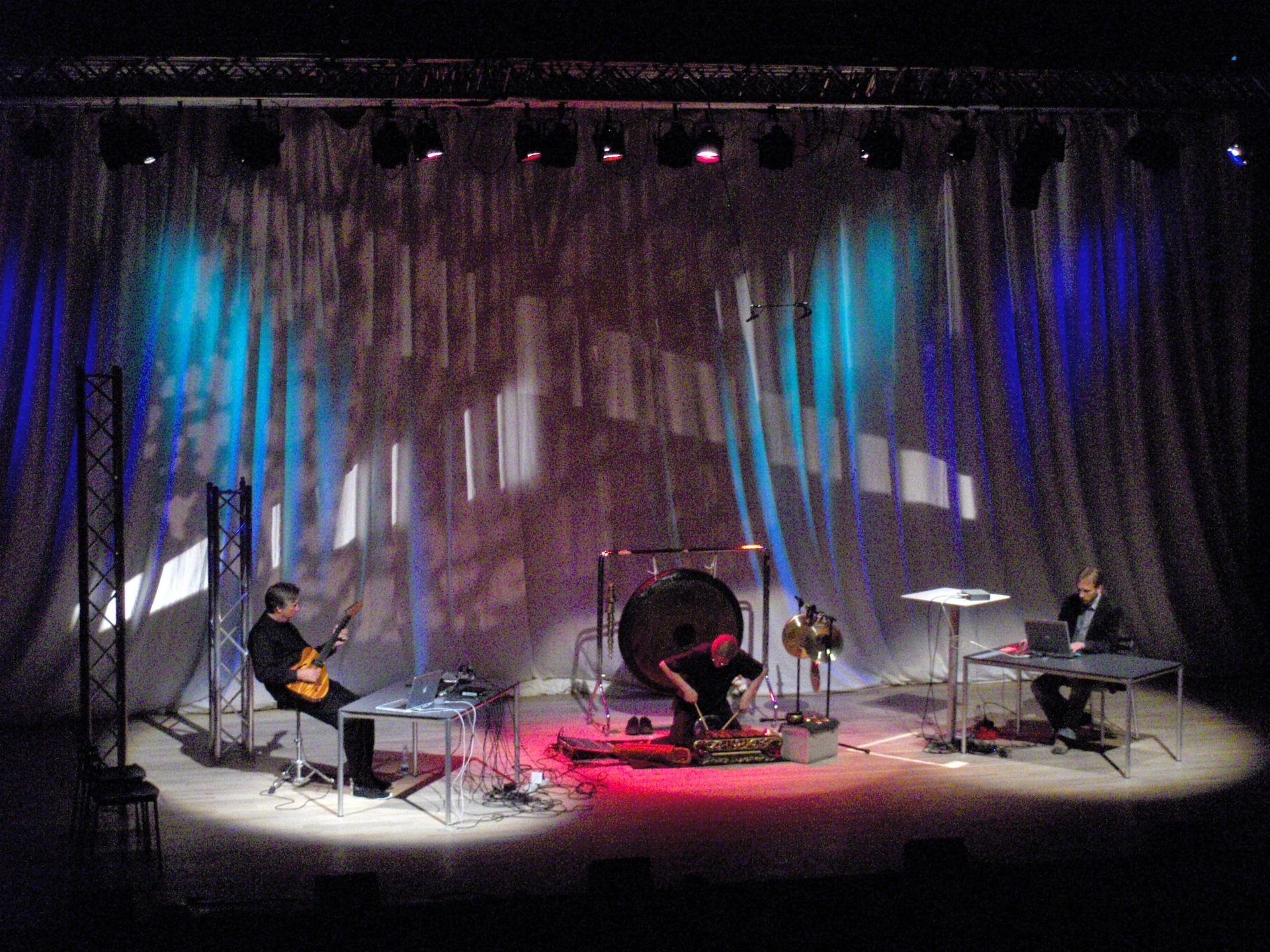
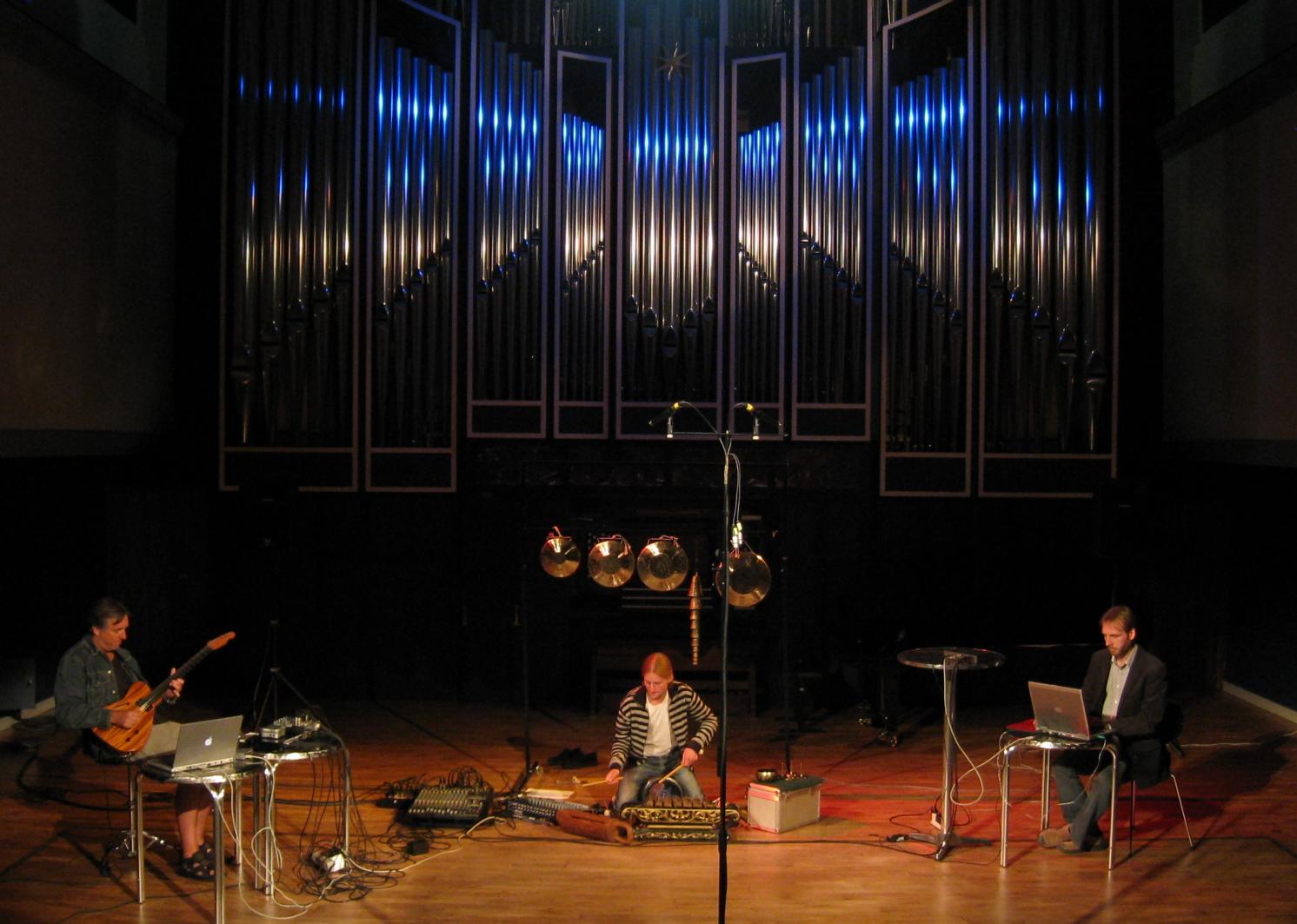
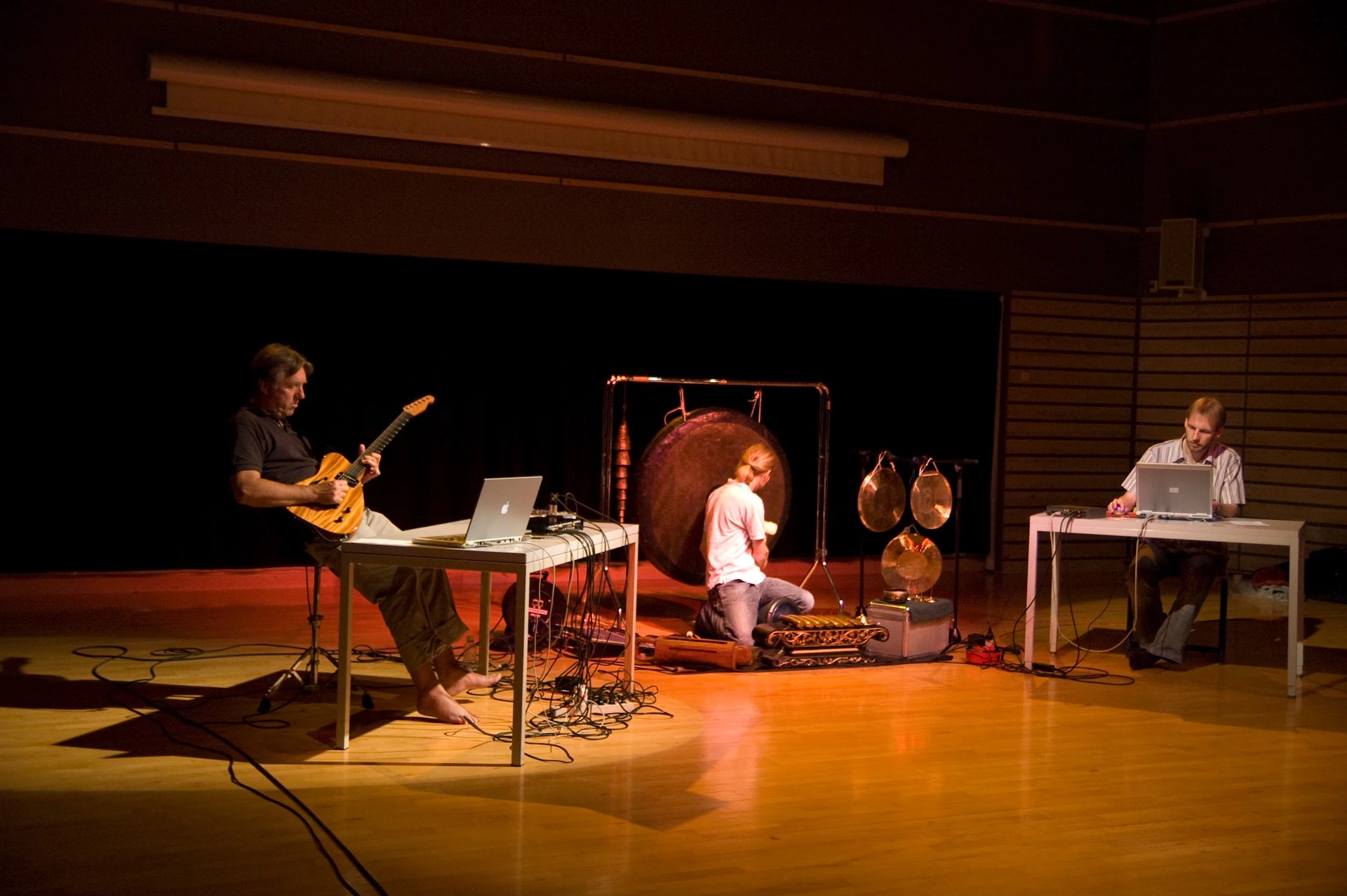
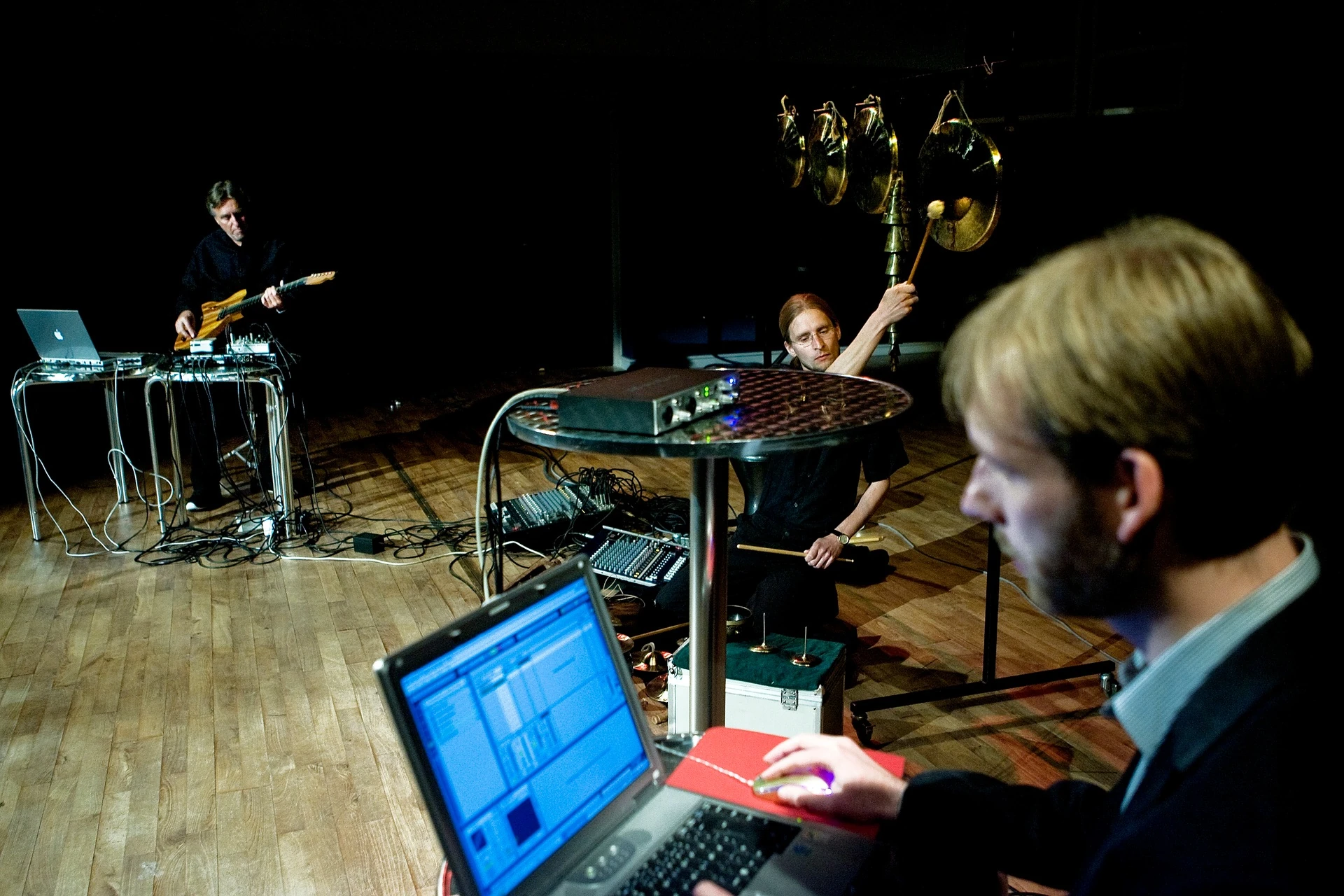
Soegaard Ensemble is a music collective of three musicians:

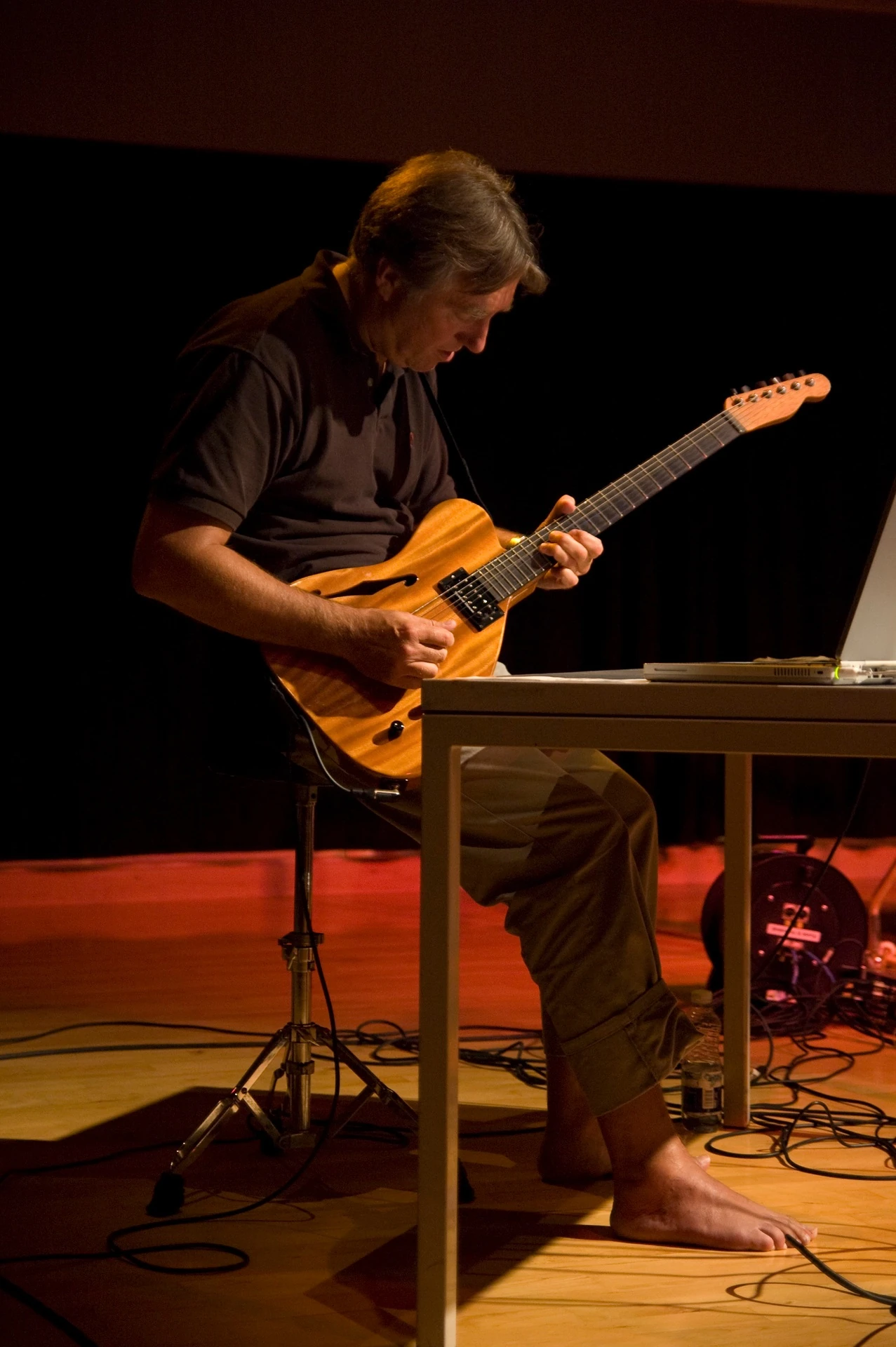
  • Fredrik Soegaard - guitar, MIDI genemap, MIDI fractal-converter, TC FireworX.
  • Claus Gahrn - electronica, software-programming.
  • Henrik Strandfelt - percussion, electronics.


Instead of playing in a specific style, the trio works with a number of musical projects, each demanding a certain type of music.

You can read more about the project and author in the link below:
https://preparedguitar.blogspot.com/2014/09/fredrik-segaard-13-questions.html

“ART IS THE SEDIMENTATION OF HUMAN MISERY.”
(Adorno T. W., Aesthetic Theory, 2004)

The above remark by Adorno implies that art has its own way of preserving human experience, using a metaphor from geology and zoology, as well as its own languages for so doing (painting, musicmaking, sculpturing, etc). Biology also has its own way of preserving some of the information about living beings and a language for so doing – the DNA coding sequences present in all biological beings. SMTG is a project involving music composition and improvisation based on biological data – the complete DNA genetic code of the H1 Histonine protein of the rainbow trout. 
Nature has always been one of the dominant aesthetic ideals for artists of any art form. Painters have used nature in their work from cave paintings up until our day, and composers and musicians have dedicated numerous works to the celebration of nature (see Adorno 2004). In music, however, there is an ongoing discussion regarding exactly how nature is relevant in a musical context. What does a sunset sound like? Or a sea?
In 1986 Japanese-American Biologist Susumu Ohno from the Beckman Research Institute of The City of Hope, Duarte, California, created a system for composing music from DNA code sequences, transcribing the four nucleotides into the diatonic scale according to a set of rules formulated by Ohno (Ohno 1986). SMTG is a contemporary project in this tradition, using the DNA coding sequence from one protein of the rainbow trout to form e.g. the melodic structure, the rhythmic, the dynamic, etc. Structures in the 642-nucleotide-long H1 Histonine protein code sequence are transcribed into the chromatic scale and transferred into the MIDI (Musical Instruments Digital Interface) language. Thus the code sequence can be used as a chromatic melody or as MIDI information, controlling chosen musical parameters in electronic and digital environments. In this way, nature itself can appear as a ‛controller’ – via pitch or MIDI information – of the music in the form of the structural characteristics of the genetic code sequence. In addition to providing pitch information and creating melody and/or MIDI information to control electronic parameters, this complete H1 Histonine coding sequence also brings a specific form to the music, as this coding sequence is different from every other existing sequence...
Read more here: http://www.musicandmeaning.net/issues/pdf/JMMart_8_5.pdf

Performances

Soundmapping The Genes - Rhythmic Improvisation 1

You can see it in our YouTube Channel: https://youtu.be/5Pek2fRdfmU

1 / 1

MAQAM ON THE DNA CODE FOR H1 HISTONIN PROTEIN

You can see it in our YouTube Channel: https://youtu.be/4SjMskpcvQw

1 / 1

Soundmapping The Genes - Rhythmic Improvisation 2

You can see it in our YouTube Channel: https://youtu.be/14bK-jpKT5c

1 / 1